
10 hr
Krka Waterfalls Day Trip with Wine Tasting from Split
Discover cascading waterfalls, historic hydroelectric plants, and Dalmatian wines on this full-day escape
Reserve

Hand-picked by our editors — only the finest 5 tasting experiences from 18 reviewed
Verified partners for every tour, free cancellation where available, and instant confirmation on every booking.
10 hr
Discover cascading waterfalls, historic hydroelectric plants, and Dalmatian wines on this full-day escape
Reserve
9 hr
Discover Croatia's spectacular cascades, cruise the Krka River, and swim at coastal beaches in one day
Reserve
10 hr
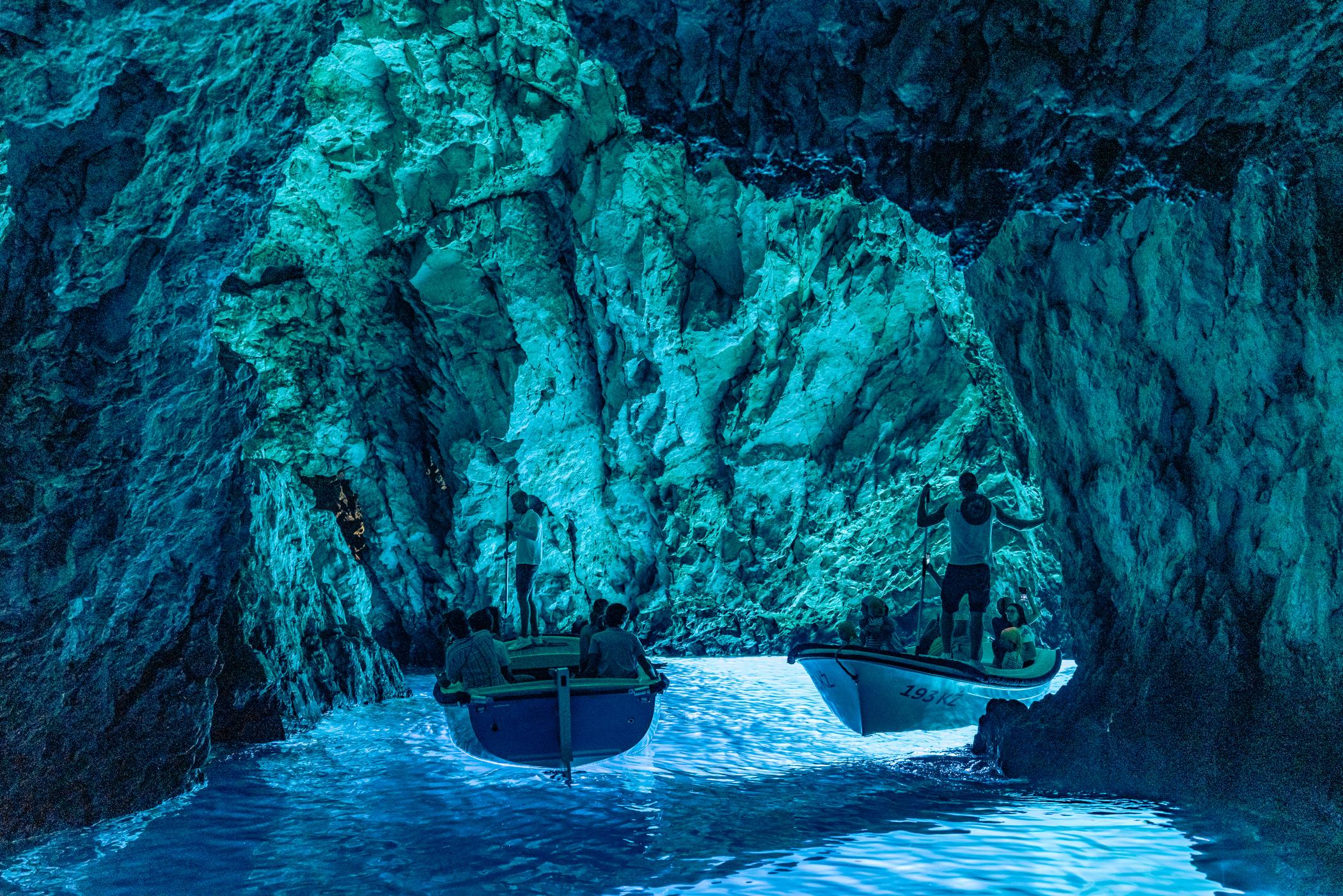
Island-hop by speedboat to Croatia's luminous Blue Cave, filming spots from Mamma Mia, and Hvar's harbor
ReservePrices from verified partners. Availability updates in real time at checkout. Free cancellation policies apply where shown.
The landmarks, rooms, and views travelers on this tour remember — all visible on a single visit.
Explore trees aged over a century, providing the base for the wine and olive oil tasting split.
Stone Press House
Vineyard Terraces
Sommelier Station
Production Cellar
City-based sessions provide focused convenience, while regional island outings offer a deeper immersion into the local terroir. Travelers seeking efficient access choose a wine and olive oil tasting split, whereas those preferring a full-day escape favor island estates.
| Feature | Top pick Split Tasting | Island Tours |
|---|---|---|
Time Commitment |
1.5–2 hours | 6–8 hours |
Travel Logistics |
Walking distance in city | Ferry or boat required |
Depth of Experience |
Focused sensory education | Immersive agricultural exploration |
Variety of Producers |
Curated local selection | Multiple remote estates |
Cost Considerations |
0 EUR plus provider fees | 120–200 EUR per person |
Experience Type |
Sommelier-led heritage tasting | Direct-to-grower vineyard visit |
| See tickets → |
Verdict: Securing your wine and olive oil tasting split tickets is ideal for schedule flexibility, while island tours provide a more comprehensive exploration of Dalmatian viticulture and olive cultivation.
Choose your ticket, select your date, and reserve in under two minutes. Secure checkout handled by our verified partner.
Instant confirmation by email, with a mobile voucher you can save offline. No printing, no queuing at a collection desk.
Arrive at the entrance, show your voucher on your phone, and walk in. Most tickets include priority or skip-the-line access.
Practical details for your visit straight from our verified partners — hours, access, rules, and how to get there.
Obala Hrvatskog narodnog preporoda, Split
Common starting point for regional tours
Rental vehicles offer the most flexibility for reaching remote estates.
Readily available in Split for direct transfers to tasting locations.
Limited service to rural estates; require walking from bus stops.
Casual and comfortable attire is recommended for your wine and olive oil tasting split experience. Sturdy footwear is advisable if visiting rural vineyards or groves.
Small personal bags are permitted during your wine and olive oil tasting split tour. Large luggage is discouraged due to limited space at local estates.
Photography is permitted in outdoor groves and vineyard areas. Please respect the privacy of other guests during your wine and olive oil tasting split.
Many locations are historic or rustic; inquire about specific accessibility for your wine and olive oil tasting split booking. Ground-level areas are usually navigable.
Mobile phones are permitted for photos. Please set devices to silent during presentations.
Families are welcome, though some sessions focus on adult beverage consumption. Check individual wine and olive oil tasting split tickets for age restrictions.
Complimentary light snacks are provided at many sites as part of the wine and olive oil tasting split. Additional dining is not available onsite.
Pets are generally not permitted inside tasting rooms or production areas.
Ensure you have your digital confirmation ready for the wine and olive oil tasting split. Transportation between estates is rarely included unless specified.
Obala Hrvatskog narodnog preporoda, Split
Common starting point for regional tours
Get directionsBest time to go, insider tips, nearby landmarks, and the cancellation fine print — flip through to skim what matters to you.
How crowds, weather, and events shift across the year.
Mild temperatures and blooming flora make this excellent for visiting coastal estates.
Expect warmer weather and peak harvest activity for olive oil enthusiasts.
September and October offer cooler weather and the heart of the vintage season.
Most estates are closed; prioritize other Split landmarks during this period.
Small details that turn a good visit into a great one.
Secure your wine and olive oil tasting split tickets early during harvest season.
Arrange private transfers if you intend to consume alcohol during the tasting.
Ask for indigenous varieties like Pošip or Plavac Mali for a local experience.
Coastal weather can change; layers are ideal for outdoor grove walks.
Stay hydrated, especially during afternoon sessions in the sun.
Purchase bottles directly at the estate to support local producers.
Non-bookable sights within a short walk — free to visit, easy to pair.
The historic heart of the city, perfect before or after your tour.
The central Roman courtyard surrounded by ancient architecture.
A historic landmark featuring a tall bell tower.
Provides panoramic views of the coast and city.
Flexible, no hidden fees.
Full refunds are provided for cancellations made at least 24 hours prior to the scheduled tour. Cancellations within 24 hours are generally non-refundable.
Hand-picked options within walking distance — pick a district for vibe, or a specific hotel for convenience.
Stay within the historic center for easy access to meeting points.
Coastal area with convenient access to regional transport routes.
Private accommodations often found in the outskirts near estates.
Split's hinterland harbors a dual tradition: stone presseries that have crushed Oblica olives for four centuries sit within ten kilometers of terraced vineyards yielding Pošip, Plavac Mali, and Debit varietals adapted to Dalmatia's karst limestone and maritime wind. The convergence is neither accidental nor purely geographic. Both crops thrive in the same mineral-rich soil, both demand hand-harvesting at precise ripeness windows, and both reflect microclimates shaped by the Dinaric Alps' rain shadow and the Adriatic's moderating salinity. Estate producers have long understood that the same limestone aquifer feeding root systems below also imparts the flinty minerality tasters identify in both pressed oil and fermented grape. Wine and olive oil tasting Split experiences today occupy renovated stone cellars and modernized presseries scattered across Kaštela, Solin, and the inland villages of Klis and Dugopolje. Many estates are third- or fourth-generation operations that shifted from bulk export to direct-visit models in the past two decades, installing climate-controlled tasting rooms alongside original granite millstones and terracotta amphorae. Sommelier-led sessions typically pair three to five wines with as many single-estate oils, each flight annotated by harvest date, varietal composition, and polyphenol count. Guides demonstrate proper tasting technique for oil — the palm-warmed glass, the retronasal inhale, the peppery finish that signals fresh-pressed quality — and contextualize how tannin structure in a young Plavac Mali mirrors the astringency of an early-harvest Oblica pressing. The educational dimension distinguishes these wine and olive oil tasting Split tours from conventional winery visits. Producers walk guests through crush cycles, explain malolactic fermentation and cold-extraction temperatures, and often open reserve bottles or experimental pressings unavailable in retail channels. Tastings are seasonal: spring sessions feature vibrant new oils and previous-vintage wines, while autumn visits coincide with live harvest and crush demonstrations. Most estates include a light meal — bread, cured pršut, island cheeses — that serves as both palate cleanser and vehicle for pairing exploration, illustrating how acidity, fat, and tannin interact on the tongue.
"The same limestone aquifer feeding root systems imparts the flinty minerality tasters identify in both pressed oil and fermented grape."
A step-by-step walkthrough of the visit — what you'll see, how long each stage takes, and the details that matter.
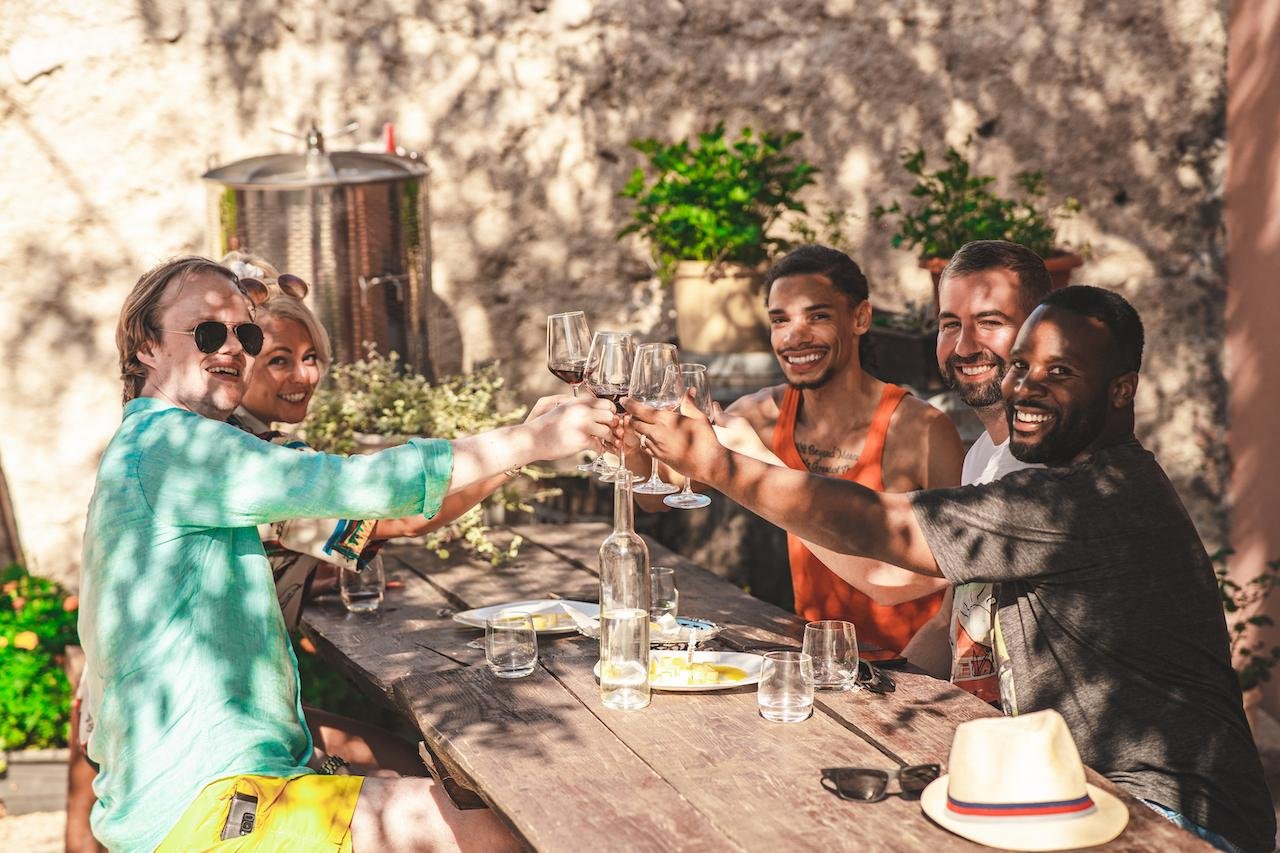
You arrive mid-morning at a stone estate outside Klis, where a sommelier meets you in a vaulted tasting room lined with oak barrels and stainless fermenting tanks. The session opens with three extra-virgin oils poured into warmed tasting glasses: you cup each in your palm, inhale the green-grass and almond notes, then sip and draw air across your tongue to release the peppery finish. The guide explains polyphenol counts and points to the granite millstone visible through a glass partition in the adjacent pressery. Next come the wines — a crisp Debit, a structured Pošip, a bold Plavac Mali aged eighteen months in French oak. Between pours, you taste each wine alongside a specific oil: the young white against a delicate early-harvest pressing, the red reserve with a robust late-season oil that coats the palate. Bread, local cheeses, and thin-sliced pršut appear on wooden boards, and the sommelier demonstrates how fat content shifts your perception of tannin. You finish with a walk through the vineyard rows, where limestone outcrops break the red soil and the Adriatic glints in the distance.
The venues are open Monday through Saturday from 09:00–17:00 and are closed on Sundays.
Yes, booking wine and olive oil tasting split tickets in advance is strongly recommended to ensure availability.
While families are welcome, the wine and olive oil tasting split focuses on tastings not suitable for minors.
External food is generally not permitted, but the wine and olive oil tasting split includes light, paired snacks.
Most wine and olive oil tasting split experiences last between 2 and 4 hours depending on the chosen provider.
We suggest an arrival between 09:00–15:00 to avoid peak afternoon heat.
Yes, you are encouraged to take photos of the scenery during your wine and olive oil tasting split.
Tours often proceed as scheduled, though indoor alternatives are provided for rain during a wine and olive oil tasting split.
Casual attire is perfectly fine for your wine and olive oil tasting split visit.
Yes, most estates allow you to purchase bottles of wine and olive oil directly following your session.